In the Philippines, the line between the living and the departed is often painted with love, memory, and vibrant tradition. While many cultures observe a day for the dead, the Filipino celebration of All Souls’ Day, locally known as “Undás” or “Araw ng mga Patay,” is a profound cultural event that is as much about family reunion as it is about remembrance.
A Time for Family Pilgrimage
First and foremost, Undás is considered one of the most important family holidays of the year. Consequently, days or even weeks before November 1st and 2nd, a massive exodus occurs across the country. Millions of Filipinos, from overseas workers to city dwellers, journey back to their provincial hometowns. This pilgrimage isn’t for a vacation; rather, it is a sacred duty to visit the final resting places of their loved ones.
The Rituals of Remembrance: Cleaning, Feasting, and Praying
The Filipino observance of All Souls’ Day is a multi-faceted tradition. To begin with, families engage in a thorough “paglilinis” or cleaning of the graves. Days in advance, tombs are scrubbed, repainted, and adorned with fresh flowers. This act is seen as a sign of respect, preparing a beautiful and dignified space for both the deceased and the visiting family members.
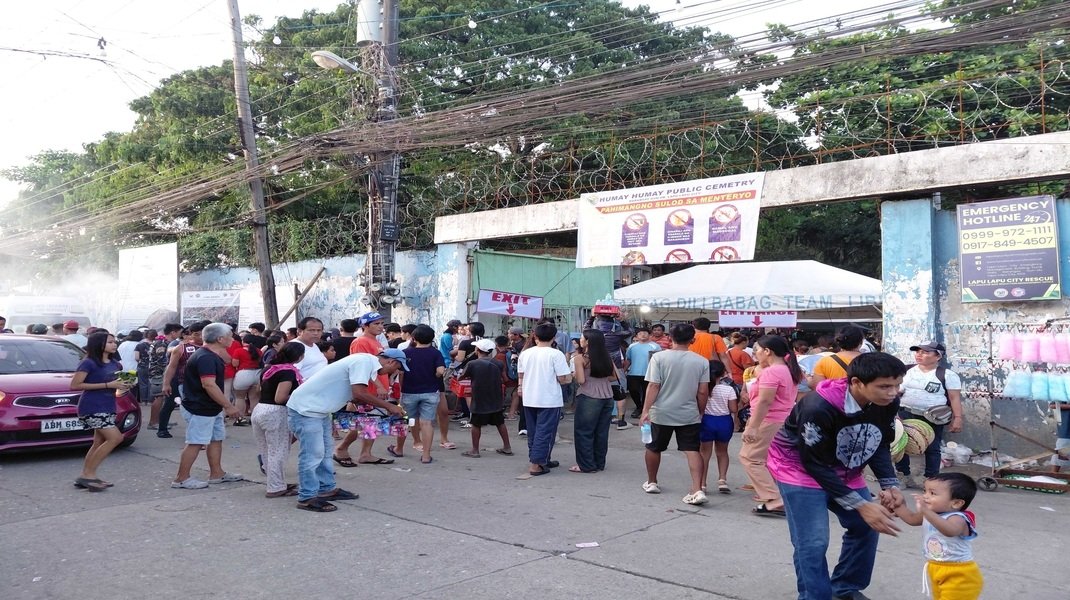
On the day itself, cemeteries transform into bustling, communal spaces. In contrast to the somber and quiet graveyards often depicted in Western media, Filipino cemeteries during Undás are alive with activity. Families set up tents, bring out folding chairs, and share food. In fact, it is common to have a full meal right at the gravesite, symbolically including the departed in the family feast. This practice, known as “pamamahingá,” reinforces the belief that the spirits of the loved ones are present and partaking in the gathering.
Furthermore, prayers are the cornerstone of the celebration. Families often pray the Rosary together, offering novenas and lighting candles to guide the souls from Purgatory to Heaven. The collective murmur of prayers in a crowded cemetery under the glow of countless candles is a powerful and uniquely Filipino spiritual experience.