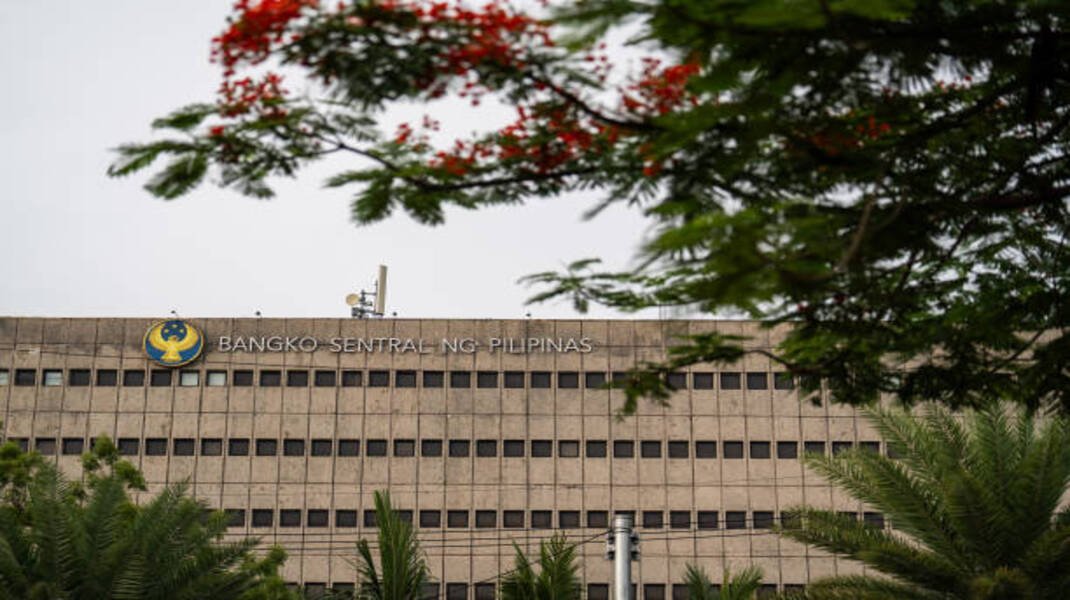
The Bangko Sentral ng Pilipinas (BSP) is widely expected to raise interest rates once again this week. Policymakers are continuing their efforts to bring inflation back within the central bank’s official target range. As a result, all 15 economists surveyed by the Inquirer anticipate a monetary policy tightening at the upcoming June 18 meeting.
Specifically, twelve of them forecast a quarter-point increase. In contrast, three expect a larger half-point move. This split highlights growing concerns that price pressures could remain stubborn, even though some signs of easing have recently emerged.
If approved, the rate hike would extend the BSP’s current tightening cycle. For context, that cycle began in April, when policymakers lifted the benchmark rate by 25 basis points to 4.5 percent. At the time, the central bank warned of a “deteriorating” inflation outlook, largely due to the prolonged conflict in the Middle East. Consequently, oil prices surged, adding further pressure on energy-importing economies like the Philippines.
Nevertheless, consumer prices rose by 6.8 percent in May. Although this was slightly lower than April’s 7.2 percent, it still exceeded market expectations. Likewise, transport and food costs eased, but inflation remained above the BSP’s 2-to-4 percent target range for the third consecutive month.
Sarah Tan, an economist at Moody’s Analytics, explains that while inflation softened last month, the risks of it staying elevated remain high. Therefore, she expects the BSP to tighten by 25 basis points. “Although inflation moderated in May, it remains well above the BSP’s target range,” Tan notes. “Moreover, higher global commodity prices continue to pose upside risks to the inflation outlook.”
Similarly, analysts at ANZ Research share that view. They also project a quarter-point increase. “We expect inflation to remain above the BSP’s target range for the rest of the year,” they state. “Oil price pressures persist, and the Middle East conflict remains unresolved. As a result, second-round effects on prices will likely become increasingly pronounced in the coming months, since producers will pass on higher production costs to end consumers.”
In general, higher borrowing costs aim to curb spending by households and businesses. While this helps ease inflationary pressures, it also weighs on economic activity. For example, the Philippine economy grew just 2.8 percent in the first quarter—its slowest pace since the pandemic recovery began. This slowdown came amid twin shocks: a major corruption scandal that dented confidence and a sharp rise in global oil prices.
Jun Neri, lead economist at the Bank of the Philippine Islands, offers a different perspective. He suggests that the BSP may resort to a bigger 50-basis point increase this week. In his view, policymakers need to “catch up with inflation and reinforce their commitment to price stability.” Neri adds: “The softer inflation print in May should be viewed less as an opportunity to delay further tightening, and more as a chance for the BSP to demonstrate its commitment to price stability. Acting forcefully now with a substantial rate hike may allow the central bank to avoid off-cycle rate hikes, which could be more disruptive.”
Likewise, Aris Dacanay, senior ASEAN economist at HSBC Global Investment Research, also sees a half-point hike coming this week. He cites the need for the BSP to manage inflation risks from a weak peso. “These shocks may be ‘supply-side’ in nature,” Dacanay explains. “However, managing FX-induced inflation in this environment will be key to ensuring that supply-side shocks do not spill over into inflation expectations. To do so, an aggressive monetary policy stance will be appropriate to mitigate FX volatility.”