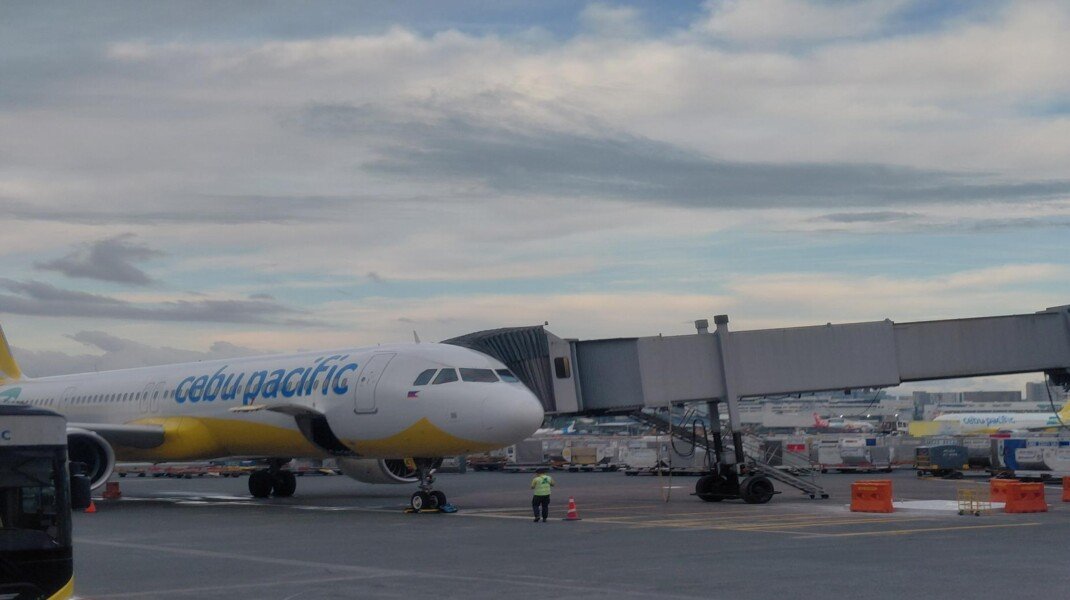
In a significant move poised to reshape travel dynamics between Japan and the Philippines, Cebu Pacific is gearing up to inaugurate nonstop services from Nagoya to Cebu. Slated for a November 2026 debut, this strategic expansion is not merely a new route; it is a calculated effort to elevate Cebu’s status as a premier international gateway and alleviate the perennial congestion at Manila’s Ninoy Aquino International Airport.
A New Corridor for Year-End Travel
According to publicly available booking data and emerging timetable discussions, the low-cost carrier intends to link Nagoya’s Chubu Centrair International Airport with Mactan–Cebu International Airport starting in mid-to-late November. Travel forums and industry trackers, which closely monitor the airline’s scheduling patterns, pinpoint a tentative launch date of November 19, 2026. This timing is strategically chosen to capitalize on the bustling year-end holiday season, catering to a surge in both leisure and familial travel.
Targeting Diverse Passenger Demographics
The forthcoming Nagoya–Cebu corridor is expected to serve a dual-purpose market. On one hand, it will provide Japanese tourists with seamless access to the pristine resorts of the central and southern Philippines. On the other, it offers a vital link for the substantial Filipino community residing in Japan’s Chubu region, simplifying their journeys home. Currently, travelers from Nagoya must connect through Manila to reach Cebu. This new direct service eliminates that domestic layover, transforming Cebu into an accessible, standalone destination.
Strengthening Japan–Philippines Air Links
The timing of this new service aligns with a period of robust growth in bilateral air connectivity. Japan consistently ranks among the Philippines’ top sources of foreign visitors, while outbound demand from Filipino overseas workers, students, and long-term residents in Japan remains a steady pillar of two-way traffic.
Currently, Chubu Centrair already hosts multiple weekly flights to Manila operated by Philippine carriers. However, the introduction of a direct Cebu flight effectively creates a second, more specialized Philippine gateway from central Japan. Travel analysts believe this route will stimulate fresh demand rather than merely siphon passengers from existing Manila flights. Direct access to Cebu significantly reduces travel time for beach-centric itineraries, making multi-destination adventures—such as the popular Nagoya-Cebu-Bohol triangle—far more appealing to Japanese holidaymakers.
Conversely, the route is expected to boost outbound travel from the Visayas to Japan. Nagoya serves as an excellent entry point to the Chubu and Kansai regions, and competitive low-cost fares, particularly during promotional drives, are likely to attract Filipino leisure travelers and shoppers eager to explore central Japan’s urban centers and renowned ski resorts.
Cebu’s Expanding Role as an International Hub
Cebu Pacific’s latest venture fits seamlessly into a wider narrative of international growth for Mactan–Cebu International Airport (MCIA). The airport has been aggressively investing in expanded terminal capacity and upgraded infrastructure to accommodate increasing international arrivals. The addition of a Nagoya link will further diversify its route portfolio, complementing existing services to key markets like South Korea, Vietnam, Singapore, and Hong Kong.
From an operational standpoint, building out a robust international network from Cebu offers Cebu Pacific strategic advantages. It allows for better aircraft utilization and more balanced traffic flows across the airline’s system. By routing Japan-bound operations through Cebu, the airline reduces its reliance on Manila, where runway and terminal bottlenecks have historically constrained growth and contributed to delays.
A Boost for Tourism Stakeholders
For tourism stakeholders in the central Philippines, this development is a welcome boon. Easier access from Japan is expected to drive higher hotel occupancy rates, revitalize dive and island tour operators, and strengthen the broader hospitality sector in destinations like Mactan, Moalboal, and Malapascua. Furthermore, this improved connectivity could encourage further investment in new resort projects, catalyzing long-term economic development in the region.