Cebu Province’s inflation rate surged to 9.1 percent in March 2026, primarily due to sharp increases in transport and food costs. As a result, household budgets across the region are facing mounting pressure. According to the Philippine Statistics Authority (PSA) Cebu Provincial Statistical Office, this latest figure marks a steep rise from 3.8 percent in March 2025 and 8.0 percent in February 2026. Consequently, the continued upward trend reflects how families are paying significantly more for essential goods and services.
What Is Inflation and Why Does It Matter?
For context, inflation measures the rate of change in the consumer price index (CPI). In simple terms, the CPI tracks how the cost of a standard basket of goods and services shifts over time. Furthermore, the index compares current prices to a base year to show how purchasing power changes within a specific period.
Transport Costs Emerge as a Key Driver
Transport costs were a major driver of inflation in March 2026. Specifically, the transport sector posted a 2.6 percent increase — a dramatic turnaround from a negative 7.0 percent in the previous month.
In Cebu Province, gasoline inflation climbed to 22.2 percent, while diesel surged to 39 percent. These increases reversed earlier declines, largely because of global oil market disruptions linked to tensions in the Middle East.
Therefore, higher diesel and gasoline prices have affected households, businesses, and public transport operators across the province and its highly urbanized cities.
Food Inflation Continues to Accelerate
Meanwhile, food inflation accelerated to 12.5 percent in March 2026. This is up from 11.9 percent in February and more than double the 5.1 percent recorded in March 2025.
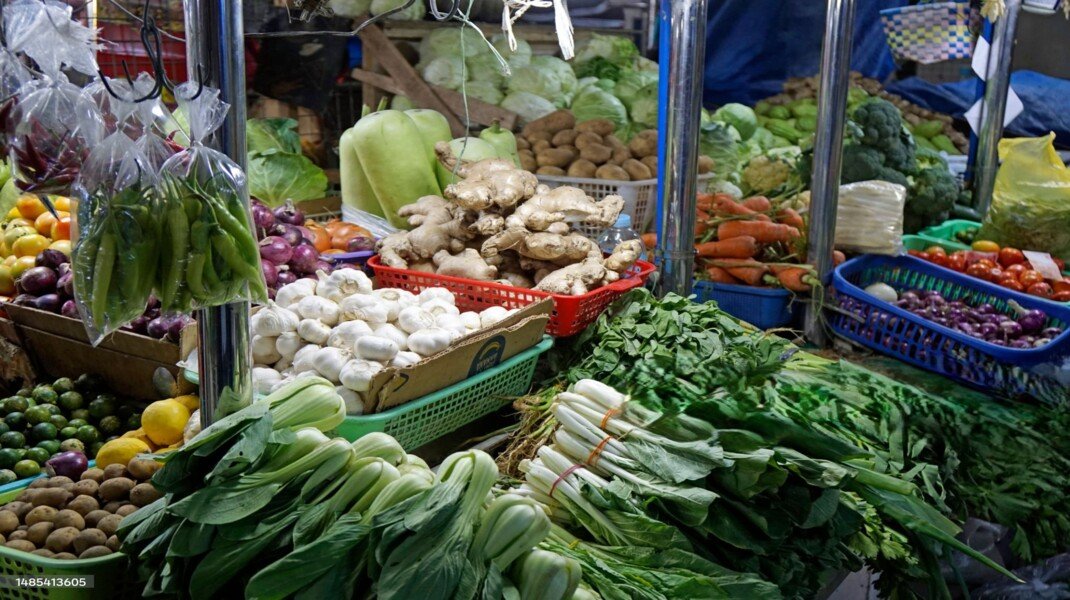
Notably, food items accounted for 57 percent of the overall inflation rate during the month. Among the major contributors were price increases in:
- Vegetables and root crops
- Fish and seafood
- Cereals such as rice, corn, flour, bread, and other grain-based products
Inflation Trends Across Key Cities in Cebu
A similar upward trend was observed across Cebu’s highly urbanized cities.
Cebu City recorded an inflation rate of 6.8 percent — higher than 2.3 percent in March 2025 and 4.6 percent in February 2026.
Lapu-Lapu City posted an inflation rate of 8.1 percent, rising from 2.3 percent a year ago and 6.9 percent in the previous month.
Likewise, Mandaue City saw an inflation rate of 6.1 percent. This was significantly higher than the 1.3 percent in March 2025 and 5 percent in February 2026.
In all three cities, the upward trend stemmed from faster price increases in transport, food, and housing utilities.
Bottom Line
With inflation showing no immediate signs of slowing down, Cebu residents can expect continued pressure on their daily budgets. For this reason, monitoring price movements in food and fuel will be crucial in the coming months.